
Essential Cold Weather Shooting Accuracy Tips for Peak Performance
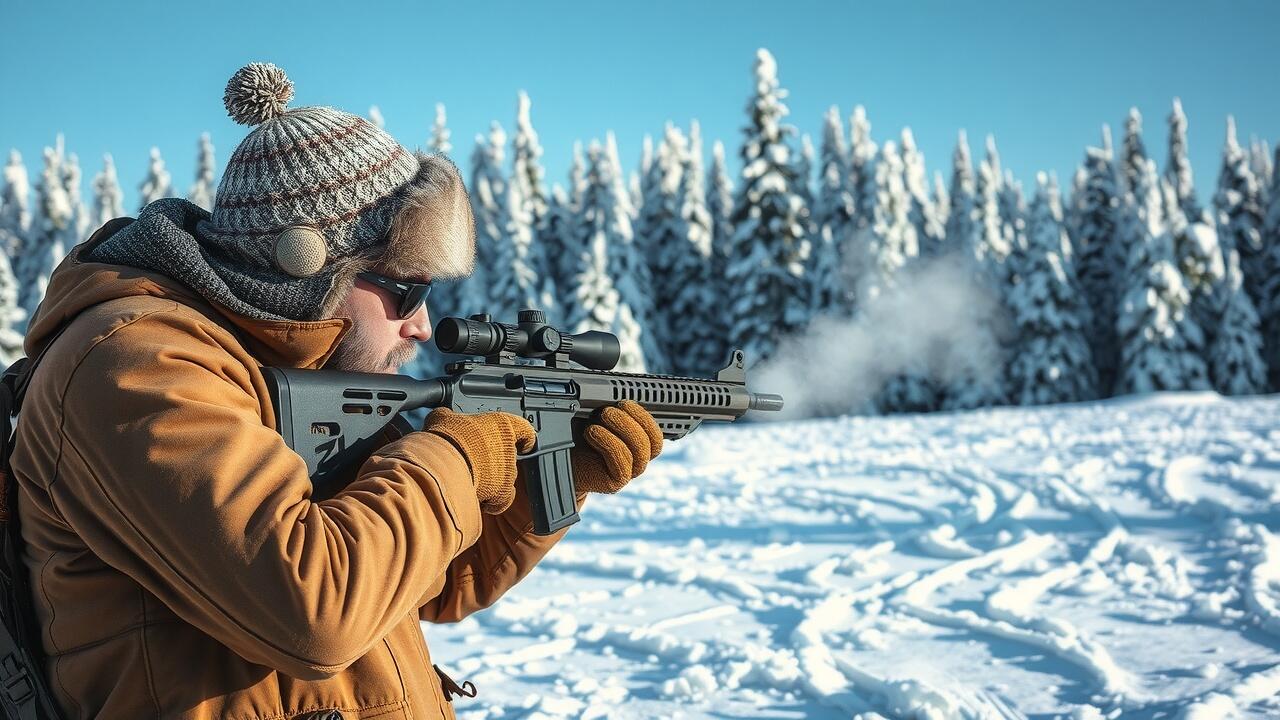
Key Takeaways
- Grasping frigid environment firing circumstances
- Crucial strategies for precision in chilly conditions
- Gear for shooting in low temperatures
- Training for marksmanship in cold environments
Understanding Cold Weather Shooting Conditions
Cold weather shooting presents unique challenges that can significantly impact shooting accuracy. As temperatures drop, factors such as freezing rain or snowfall can hinder visibility and affect the performance of firearms, particularly in long-range shooting scenarios. For those involved in competitive shooting or precision rifle practices, understanding how weather influences bullet trajectories and firearm mechanics becomes critical. Proper winter clothing is essential to maintain comfort and dexterity, enabling shooters to handle shooting sticks and rifles effectively. Implementing cold weather shooting accuracy tips can help mitigate the effects of inclement weather, ensuring that shooters remain prepared for various conditions and sustain their performance in the field.
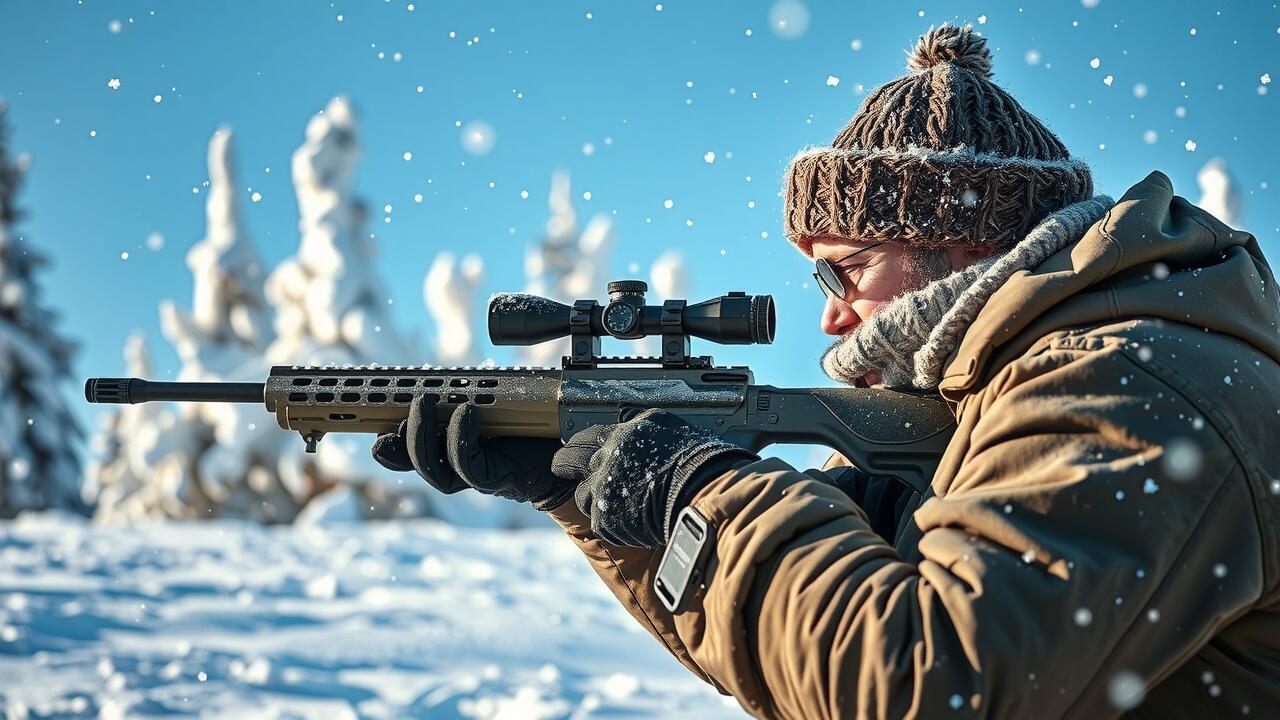
Effects of Cold on Firearms
Cold weather can significantly impact the performance of firearms. In low temperatures, lubrication can thicken, affecting the movement of components in self-loading rifles and handguns. Snow and ice can accumulate in the action of rifles, including sniper rifles, leading to potential malfunctions. Cold weather shooting accuracy tips emphasize the importance of regular maintenance, as cold climates may cause ammunition to react differently. Bullets may not expand properly, which is crucial for effective performance. Without proper care, even a rimfire rifle may face issues, especially when subjected to strong wind speeds.
Extreme heat can be just as detrimental to firearms as extreme cold. High temperatures can cause ammunition to become unstable, while cold can lead to decreased velocity. Gun safes need to be maintained in a controlled environment to prevent moisture build-up, which can rust and damage firearms. A muzzle blast can be affected by the temperature, altering the shooter’s experience. Proper selection of ammunition for the climate allows for better accuracy, whether shooting a pistol or a sniper rifle. Cold weather shooting accuracy tips highlight the necessity of adjusting techniques to account for these elements.
Adjusting Techniques for Cold-Weather Shooting
Cold weather can significantly affect shooting accuracy due to factors like humidity and heat loss. For the riflemann, understanding external ballistics is crucial, especially in frigid temperatures. Rifles and shotguns may react differently to the cold, impacting ammunition performance. Guns may jam or misfire if moisture condenses inside the barrel or on the ammunition. Proper technique adjustments, such as using gloves that allow for a firm grip on the firearm, become essential to maintaining focus on cold weather shooting accuracy tips.
Humid conditions combined with cold can further complicate shooting efforts. Moisture can lead to rust or corrosion on firearms, affecting their reliability. It’s vital to ensure that both the rifles and shotguns are equipped with ammunition that performs well in these challenging conditions. Each shot must be calculated with precision, taking into account potential rain or snow that may alter the trajectory. By making these adjustments, shooters can enhance their cold weather shooting accuracy tips and maintain control over their firearms.
Essential Cold Weather Shooting Accuracy Tips
Cold weather can significantly impact shooting accuracy, making it essential for winter-wise shooters to adopt specific cold weather shooting accuracy tips. Maintaining your cold-weather gun properly is crucial; lubricant choices must withstand cold temperatures to prevent malfunction. Choosing the right ammunition is equally important, as certain rounds perform better in cold weather than others. Serious cold weather training focuses on adapting techniques for accurate shooting in adverse conditions. Short-range shooting may become more challenging with variable wind conditions and lower visibility due to snowfall. Cold weather testing of gear and techniques plays a vital role in refining skills for fair-weather shooters transitioning to colder environments. Each of these elements contributes to improved cold weather accuracy during shooting sessions.
Properly Maintaining Your Firearm
Cold weather can significantly affect the performance of firearms. Freezing temperatures can lead to condensation and moisture accumulation, which can cause malfunctions. Regular cleaning and lubrication are critical during the cold weather months to prevent temperature sensitivity issues. Firearms designed to be weatherproof are valuable assets in cold climates. Using insulated shooting gloves with a tactile grip is key for shooting accuracy and ensures better handling without sacrificing functionality.
Ensuring your firearm is properly maintained helps improve your experience shooting in harsh conditions. Cold air affects the movement of parts, and regular checks can identify wear or issues before the temps drop. Cold-weather boots also play a role, as stable footing is essential for executing a precision shot. By embracing these cold weather shooting accuracy tips, shooters can maintain their performance and focus even in the most challenging conditions.
Choosing the Right Ammunition
Selecting the appropriate ammunition is crucial for optimal performance during cold weather shooting. As temperatures drop, conventional ammunition may not perform as reliably, especially in extreme cold or arctic conditions. The expansion and ignition characteristics of gunpowder can change, leading to potential misfires or inconsistent velocities. Shooters should test various brands and types of ammunition in low temperatures to determine which consistently yields the best results. Incorporating these cold weather shooting accuracy tips into preparation can significantly enhance rifle accuracy during colder months.
Low temperatures can also alter the performance of projectiles over long-range rifle shooting. Cold rain and deep cold can further complicate shooting conditions, making the right ammunition selection even more critical. Shooters involved in competitive shooting events should consider using specialized ammo designed for colder climates. Adopting cold weather accommodations, such as shooting mitts that allow for better grip while maintaining hand warmth, can also support accuracy. Ultimately, the right ammunition combined with effective gear will enhance offhand shooting and overall performance in challenging winter environments.
- Test ammunition brands and types in low temperatures before relying on them.
- Choose ammunition specifically designed for cold weather conditions.
- Consider the effects of moisture and ice on ammunition performance.
- Maintain your rifle and ammunition in a warm environment before use.
- Use shooting gloves or mitts that provide a good grip while keeping your hands warm.
- Be aware of the potential for misfires and inconsistent velocities in cold conditions.
- Practice regularly in cold weather to become proficient with your chosen ammunition.
Cold-Weather Shooting Accessories
Dramatic temperature changes can significantly affect shooting performance in cold environments. Many shooters overlook the impact of cold on their gear, which is crucial for maintaining cold weather shooting accuracy tips. A weatherproof outer layer not only protects from moisture but also helps manage temperature fluctuations. Cold causes various issues, such as ammunition performance and firearm reliability. Practicing with different gear for elevated shots is essential, particularly in cold spells, ensuring an accurate pistol performs consistently. A good shooting mat provides comfort and stability, while weatherproof covers keep firearms safe in a cold truck. Cold-weather lubricants can also prevent malfunctions, allowing shooters to focus on their next shot without concern. For those transitioning from warmer climates, adapting to the challenges of cold can be vital for success. Many shooters find that proper preparation and the right accessories are key elements in overcoming the hurdles posed by frigid conditions.
Recommended Clothing for Optimal Performance
Wearing the right clothing can significantly impact your cold weather shooting accuracy tips. Layering is essential for maintaining body warmth during a winter hunt. Start with moisture-wicking base layers to keep sweat away from your skin. Insulating layers help trap heat, while waterproof outer layers protect against winter winds and unexpected warm rain. A good fit is crucial; too tight can restrict movement, and too loose can cause a frozen grip on your firearm. Always consider the frigid temperatures and potential measurable snowfall that could affect your shooting experience.
Choosing the appropriate footwear is equally important for maintaining peak accuracy in deep snow. Insulated, waterproof boots will keep your feet warm and dry, allowing for better control and stability while you shoot. Gloves may also interfere with dexterity, so consider using shooting gloves or ones that keep your fingers warm without compromising grip. Everyone’s shooting experience differs based on temp and conditions, so experimenting with clothing during practice sessions will help you discover what works best for your next winter outing.
Useful Gear to Enhance Accuracy
Cold weather can significantly affect shooting accuracy. Investing in gear designed for winter months is essential for maintaining performance. Consider using gun coatings that resist cold and moisture to protect your firearm from the elements. A proper rifle fitment is crucial for achieving elevated shots, especially in snowy conditions. Wearing a warm glove on your shooting hand can inhibit dexterity, so opting for winter gloves that offer a balance between warmth and grip will help keep your shots consistent. Wind speed can also change dramatically in winter, making it important to estimate wind speed accurately while preparing for your second shot.
Selecting the right accessories is key to enhancing shooting precision in cold weather. A short-range offhand rifle can be more manageable when paired with the correct winter clothing types, allowing for better mobility while staying warm. Consider layering under your jacket to better regulate body temperature, as t-shirt weather may be a distant memory during these colder months. Utilizing a gun muzzle cover can prevent snow from obstructing your shots, ensuring that you maintain focus on your target even in harsh conditions. These cold weather shooting accuracy tips can make a substantial difference as you prepare to take your next shot.
| Gear Type | Purpose | Key Features |
|---|---|---|
| Gun Coating | Protects firearm from extreme cold and moisture | Resistant to corrosion, enhances durability |
| Winter Gloves | Maintains dexterity while keeping hands warm | Grippy materials, insulated design |
| Gun Muzzle Cover | Prevents snow from entering the barrel | Weatherproof, easy to use |
| Layering Clothing | Regulates body temperature in cold weather | Moisture-wicking, breathable fabrics |
| Short-range Offhand Rifle | Easier handling in snowy conditions | Lightweight, balanced design |
Practicing for Cold Weather Shooting
Cold weather shooting accuracy tips emphasize the importance of adapting training to harsh conditions. Setting up a cold-weather shooting range requires careful consideration of factors such as temperatures that can freeze a firearm’s functioning. Wearing a thick winter coat and ski gloves or warm mittens is crucial to maintain dexterity. Incorporating arctic warfare training methods helps shooters familiarize themselves with their gear, including gun/optics, while practicing effective firing techniques. A heated range offers a controlled environment, making it easier to assess firearm performance without the extreme effects of a Wisconsin winter. Practicing with a centerfire rifle is essential, especially if you plan to utilize your skills for winter meat supply. Ensuring your equipment remains functional, despite the potential for freeze, is vital, whether shooting from a frozen truck or setting up at a local gun/optics shop for support.
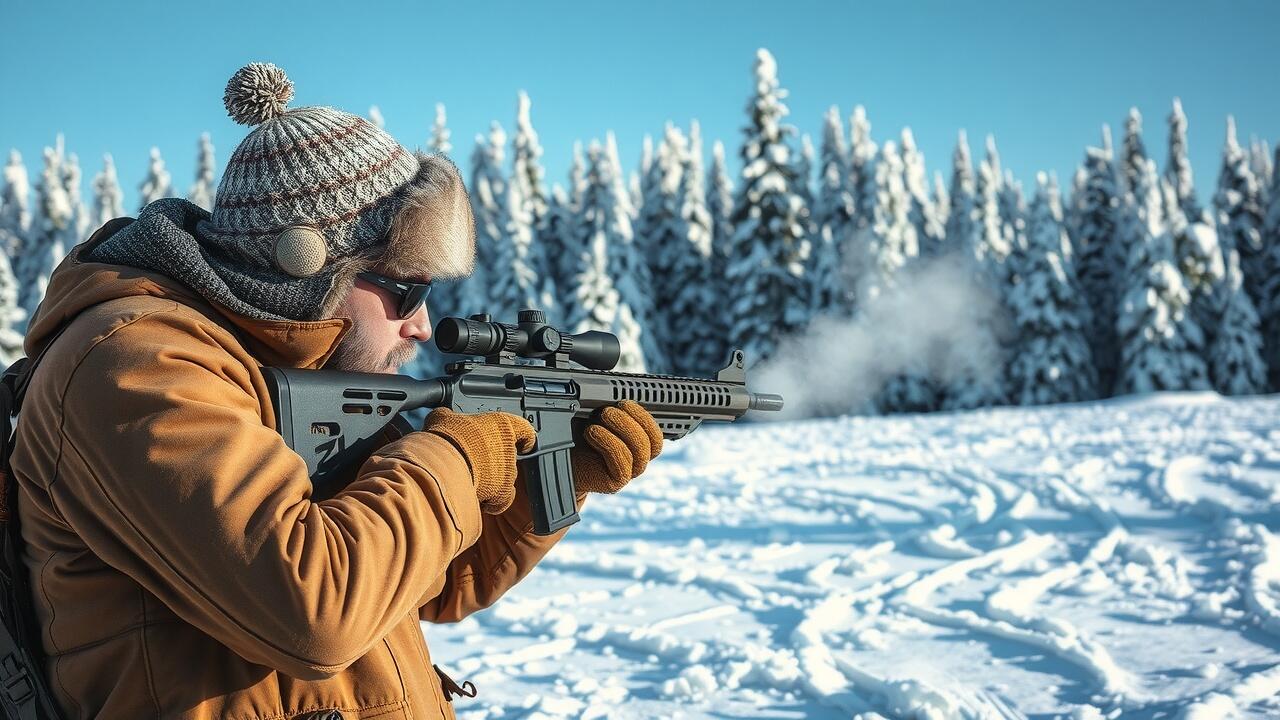
Setting Up a Cold-Weather Shooting Range
Setting up an effective shooting range in frigid climates requires careful consideration of how cold weather can affect both equipment and performance. Ensure that your firing position is sheltered from the wind to maintain warmth and comfort. Use a muzzle-up rifle position to avoid snow and moisture ingress into the barrel. Keeping rifle and optic protection in mind, always check your firearm for any condensation that may form. Remember that even in sub-zero temperatures, practicing cold weather shooting accuracy tips is essential. Rehearse with warm gloves, as they provide essential finger dexterity for gun handling without sacrificing protection.
Select a location that offers a safe backdrop for bullet impact and that allows for similar shots to be assessed at varying distances. This will help you evaluate the bullet’s trajectory under cold conditions. Setting up target markers that can withstand winter expeditions will help maintain effective practice sessions. Store your ammunition in a manner that ensures its integrity despite low temperatures, as proper ammunition storage is key for ultimate accuracy. Engaging in shooting while factoring in the elements winter throws at you will enhance your proficiency and bolster your skills for cold weather challenges.
Incorporating Cold Conditions into Training
Cold weather can significantly impact shooting performance, making it crucial to adapt training accordingly. Practicing in temperatures well below freezing allows shooters to experience the bitter cold firsthand. Incorporating slow fire practice helps focus on maintaining perfect aim despite the discomfort. Using high-quality equipment such as modern rifle ammunition and anti-fog lens cleaners can mitigate challenges like moisture buildup. Keeping fingers warm with close fitting gloves ensures that a warm index finger is ready to pull the trigger smoothly for the last shot.
Training in cold conditions can also highlight the importance of proper gear. Wearing a moisture-wicking base layer is essential for maintaining warmth and comfort while shooting. Dry-fire practice is a valuable addition to any training regimen, allowing shooters to refine their skills without the need for actual firing. By embracing cold weather shooting accuracy tips and understanding how temperature affects performance, shooters can effectively prepare for any hunting or competitive situation they may encounter.
Conclusion
Cold weather shooting accuracy tips are essential for achieving optimal performance in challenging conditions. Ensuring that you have a proper sight picture becomes crucial as the colder air can affect visibility and your overall shooting stance. A good trigger press is fundamental, demanding that shooters adapt their technique, perhaps opting for thinner gloves that allow for better dexterity. Setting up a range that accommodates cold weather dynamics and incorporating these adjustments into your practice will lead to more consistent outcomes. Mastering these elements will enhance your effectiveness and confidence in cold weather shooting scenarios.
FAQS
What are some tips for improving shooting accuracy in cold weather, especially regarding gear and ammunition?
When it comes to shooting sports in cold weather, several factors can influence your shots, such as the choice of shotshells and the need for cold-weather gloves. Cold-weather testing of your equipment is crucial, as arctic temperatures can affect firearm functioning. Insulated shooting gloves with a tactile grip are key for shooting accuracy, allowing you to maintain control without compromising warmth. Additionally, practicing with different gear can help you make elevated shots more effectively. It’s essential to ensure your ammunition storage is secure, as the cold can alter a bullet’s trajectory and impact. Lastly, remember that few shooters understand how the element winter throws into the mix can affect their performance, so familiarize yourself with the conditions for reasonable accuracy, whether it’s a cold day or a warmer day.
How can I ensure my weatherproof firearm performs well in cold weather when practicing off different gear for elevated shots?
To ensure your weatherproof firearm performs well in cold weather, it’s essential to adapt your approach to shooting during these conditions. Start by storing your ammunition properly, as cold weather can affect the bullet’s trajectory and impact. Prioritize practicing with different gear to get accustomed to how each setup handles in lower temperatures. It’s also advisable to check your rifle/optic protection to ensure everything functions correctly, especially when moving from warm to cold environments, as the variations can significantly influence everyone’s shooting experience in extreme degrees.
How can shooting accuracy be affected by cold steel and what are some suggestions for cold weather ammunition storage?
Cold weather can significantly influence everyone’s shooting experience as it affects the bullet’s trajectory and impact. When practicing off different gear for elevated shots, it’s crucial to store your ammunition properly to ensure optimal performance. Ideally, you want to keep your ammunition in a warm environment, as cold conditions can alter the bullet’s behavior. Proper ammunition storage is essential to maintain the effectiveness of your gear in cold weather.
How does cold steel affect everyone’s shooting accuracy, and what can be done to ensure proper ammunition storage in cold weather?
Cold steel can lead to reduced shooting accuracy as it may impact the bullet’s trajectory and bullet’s impact. To ensure proper functioning of your firearm in cold weather, everyone’s shooting performance can benefit from warm most practices while storing ammunition in cold weather. Proper ammunition storage is crucial to maintain consistency in cold none conditions.
How can warm weather affect everyone’s shooting accuracy compared to cold weather, particularly in terms of a bullet’s trajectory and impact?
Warm weather can significantly enhance everyone’s shooting accuracy because it influences the bullet’s trajectory and impact. In warmer temperatures, the air is less dense, allowing the bullet to travel more smoothly and with less resistance, which can improve its overall performance. Additionally, proper ammunition storage is crucial regardless of weather conditions to maintain the bullet’s integrity and effectiveness for shooting accuracy in diverse conditions.
How can cold weather conditions influence everyone’s shooting performance, specifically with regard to a bullet’s trajectory and impact, as well as proper ammunition storage?
Cold weather conditions can significantly affect everyone’s shooting performance. A bullet’s trajectory may be altered due to denser air, which can impact the bullet’s impact on the target. Additionally, proper ammunition storage is crucial in cold weather to prevent moisture and temperature fluctuations from affecting the ammunition’s reliability and performance. By taking these factors into account, shooters can better prepare for maintaining accuracy in challenging weather conditions.
How does cold weather influence everyone’s shooting accuracy concerning a bullet’s trajectory, impact, and ammunition storage?
Cold weather can significantly affect everyone’s shooting accuracy by altering a bullet’s trajectory and bullet’s impact when it hits the target. The density of the cold air may cause the bullet to travel differently than it would in warmer conditions. Additionally, proper ammunition storage is crucial in cold weather to prevent moisture or temperature fluctuations from affecting the ammunition’s performance and reliability.
What factors should be considered to maintain everyone’s shooting performance with respect to a bullet’s trajectory, bullet’s impact, and proper ammunition storage in cold weather?
To maintain everyone’s shooting performance in cold weather, it is essential to consider how the temperature can influence a bullet’s trajectory and bullet’s impact. Cold weather can cause changes in the viscosity of lubricants in ammunition, potentially affecting accuracy. Additionally, it is crucial to ensure proper ammunition storage in cold conditions to prevent moisture damage and freezing, which can negatively impact the reliability of the rounds and ultimately affect everyone’s shooting performance.
How does the impact of cold weather affect everyone’s shooting performance in relation to a bullet’s trajectory, bullet’s impact, and ammunition storage?
Cold weather can significantly influence everyone’s shooting performance by affecting both the bullet’s trajectory and its impact upon hitting the target. In low temperatures, the density of the air increases, which can cause the bullet to hit higher than expected. Additionally, ammunition storage becomes crucial; keeping rounds at room temperature can help maintain their performance and reliability since cold can negatively affect the propellant and primer. Thus, to optimize accuracy, it’s important to consider these effects of cold weather on everyone’s shooting while ensuring proper ammunition storage.
What practices can help optimize everyone’s shooting performance during cold weather in terms of maintaining ammunition storage, bullet’s trajectory, and bullet’s impact?
To optimize everyone’s shooting performance in cold weather, it’s crucial to maintain proper ammunition storage to ensure that it remains effective despite the cold temperatures. This includes keeping ammunition in a warm environment before use, as cold can affect the powder and overall performance. Additionally, understanding how cold weather influences the bullet’s trajectory and bullet’s impact is key. For example, cold air can cause the bullet to drop differently than in warmer conditions, so adjustments may be necessary when aiming. Regular practice and awareness of these factors can greatly enhance shooting accuracy.