
Thawing Frozen Pipes Safely: Essential Tips for Dealing with Frozen Pipes
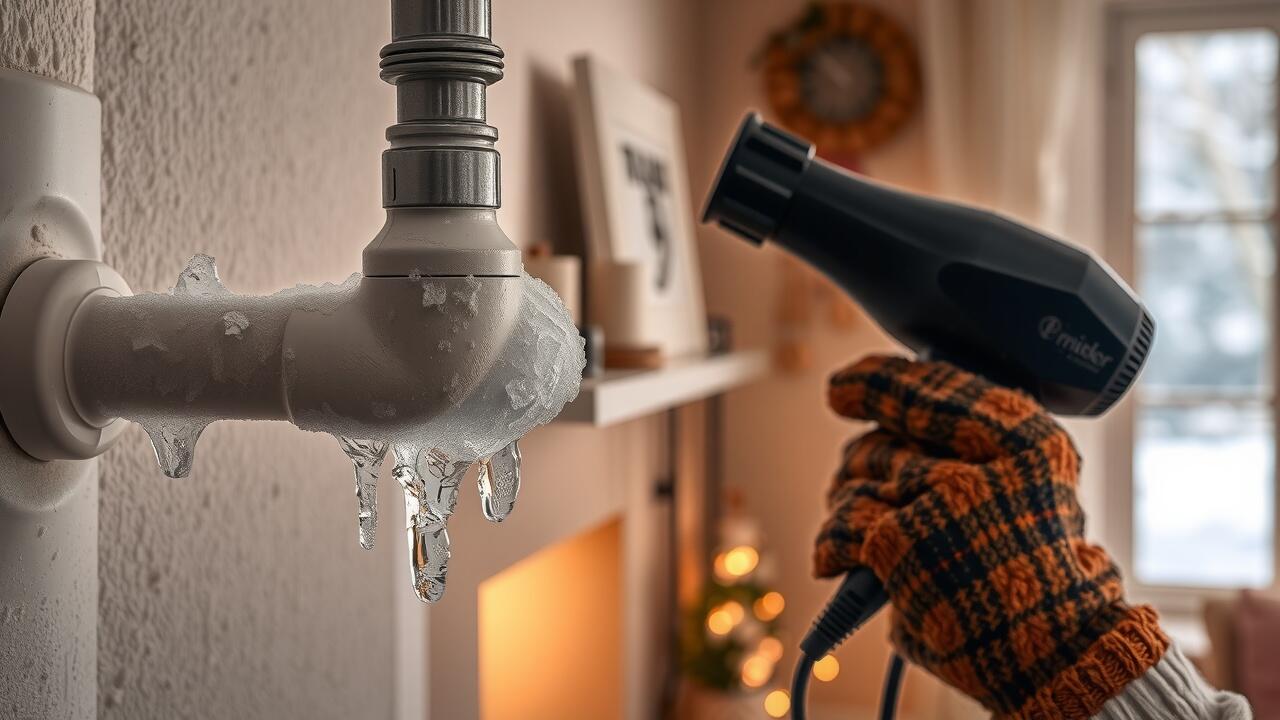
Key Takeaways
- Comprehending Ice-Covered Piping
- Readiness Prior to Melting
- Techniques for Safely Defrosting Frozen Tubes
- Post-Thawing: Maintaining Pipe Soundness
Understanding Frozen Pipes
Frozen pipes can lead to significant issues within a home, especially when water pipes are susceptible to freezing temperatures. Common causes include inadequate insulation and exposure to cold drafts, which can affect both metal and plastic pipes. Understanding the signs of freezing, such as reduced water flow or strange noises, is crucial for homeowners. Thawing frozen pipes safely is essential to prevent ruptures that can result from rapid temperature changes. Taking early preventative measures, such as insulating vulnerable areas, can help protect pipes from freezing and mitigate the risks associated with thawing frozen pipes safely.
Causes of Frozen Pipes
Extreme weather conditions and inadequate insulation contribute significantly to the freeze of water pipes. As temperatures plummet, the water inside the pipes can turn to ice, leading to a buildup of pressure. This pressure can ultimately result in pipes bursting, causing costly damage and a need for immediate repair. Ensuring that pipes are insulated and protected from the cold is essential for preventing such issues, especially in unheated areas of the home.
Improper heating of vulnerable areas can also lead to frozen pipes. For example, if heating pads are not applied correctly or if heat tape is insufficiently wrapped around pipes, the risk of freezing increases. Thawing frozen pipes safely requires careful monitoring of the temperature to avoid sudden changes that could result in cracks or ruptures. Homeowners must be proactive by regularly checking their plumbing and employing preventive measures to protect their water pipes from ice formation.
- Insufficient insulation around pipes in unheated areas
- Dramatic temperature drops, especially during winter months
- Poorly sealed windows and doors allowing cold air to enter
- Sudden shifts in weather, causing rapid cooling of plumbing
- Lack of heating elements in crawl spaces or basements
- Frozen ground around exterior pipes affecting their temperature
- Neglecting regular plumbing maintenance and inspections
Signs Indicating Frozen Pipes
Frigid temperatures can lead to various signs of frozen piping that homeowners should recognize promptly. One common indication is reduced or nonexistent water flow from faucets. If only a trickle of water emerges, the pipes may be partially or fully frozen. Another sign involves the presence of frost or ice forming on the exterior of the pipes. This often occurs in uninsulated areas, such as basements or attics, where heating is inadequate. These symptoms necessitate thawing frozen pipes safely to prevent further complications.
Checking the hoses and connections can also reveal signs of potential freezing. If any piping has developed cracks or leaks, they may be a result of the expansion caused by ice buildup. Similarly, unusual sounds, like gurgling or hissing from pipes, may indicate that water is struggling to move through frozen sections. A professional plumber can assist in assessing these signs and can provide guidance on thawing frozen pipes safely without causing damage.
Preparedness Before Thawing
Proper preparedness is essential for thawing frozen pipes safely. Understanding plumbing layouts can help identify which pipes are at risk before temperatures drop significantly. A heat gun can be an effective tool for gently applying heat to the affected areas, ensuring a controlled thaw. It is important to monitor the temperature carefully, as rapid heating may cause the pipes to crack due to thermal shock. Gathering all necessary materials, including towels and buckets, can help manage any water that may leak once the ice begins to melt. Taking these steps ensures a safer and more effective thawing process.
| Preparedness Steps | Tools Required | Tips |
|---|---|---|
| Inspect Plumbing Layout | Blueprints or house plans | Identify vulnerable pipes |
| Gather Necessary Materials | Towels, buckets | Prepare for potential leaks |
| Use Heat Gun Carefully | Heat gun, extension cord | Maintain a safe distance from pipes |
| Monitor Temperature | Thermometer | Check regularly to prevent overheating |
Safety Precautions to Consider
Thawing frozen pipes safely requires a careful approach to minimize risks such as water damage and personal injury. It’s essential to identify the location of the frozen section before beginning the thawing process. Using a hair dryer can be effective; however, homeowners should ensure the dryer is kept at a safe distance to avoid overheating the pipe. If there are any electrical components nearby, take extra caution to prevent accidents.
Before engaging in thawing frozen pipes safely, check for potential leaks or cracks that may develop during the thawing process. Use protective gear to avoid exposure to cold temperatures and potential splashes of water. Turn off the water supply to the affected area and keep the surrounding space dry. Taking these safety precautions ensures that dealing with a frozen pipe isn’t just about thawing, but also about maintaining a safe environment throughout the process.
Tools and Materials Needed
Gathering the right tools and materials is essential for successfully thawing frozen pipes safely. A heat source like heat tape or heating cables can be invaluable for gradually warming the affected areas. These products provide direct heat to the pipe, helping to facilitate the thawing process without the risk of overheating or damaging the pipe. Other items like a hairdryer or warm water are effective alternatives for addressing a frozen pipe issue.
It’s also crucial to have towels or rags on hand to manage any water that may escape during the thawing process. If pipes freeze, keeping a bucket or container ready can help catch any melted ice or water. Preparing these tools ahead of time allows for a more efficient response when tackling thawing frozen pipes safely, ensuring both effectiveness and safety during the thawing ice process.
Methods for Thawing Frozen Pipes Safely
Thawing frozen pipes safely is crucial to prevent damage and ensure your plumbing system remains intact. Various methods can be applied during the thawing process, such as using heat tape or cables, which provide a controlled heat source directly to the affected area. Another effective technique involves applying a hairdryer, allowing you to focus warmth precisely where it’s needed. For less severe freezes, a warm water approach can gently thaw the pipes without risking sudden temperature shocks. Resources like bobvila.com/articles/how-to-thaw-frozen-pipes and homedepot.com/c/ah/how-to-prevent-pipes-from-freezing offer detailed guidance on these methods. Awareness of conditions that lead to freezing, as discussed on angi.com/articles/what-temperature-pipes-freeze.htm, can further aid in the prevention and management of future incidents.
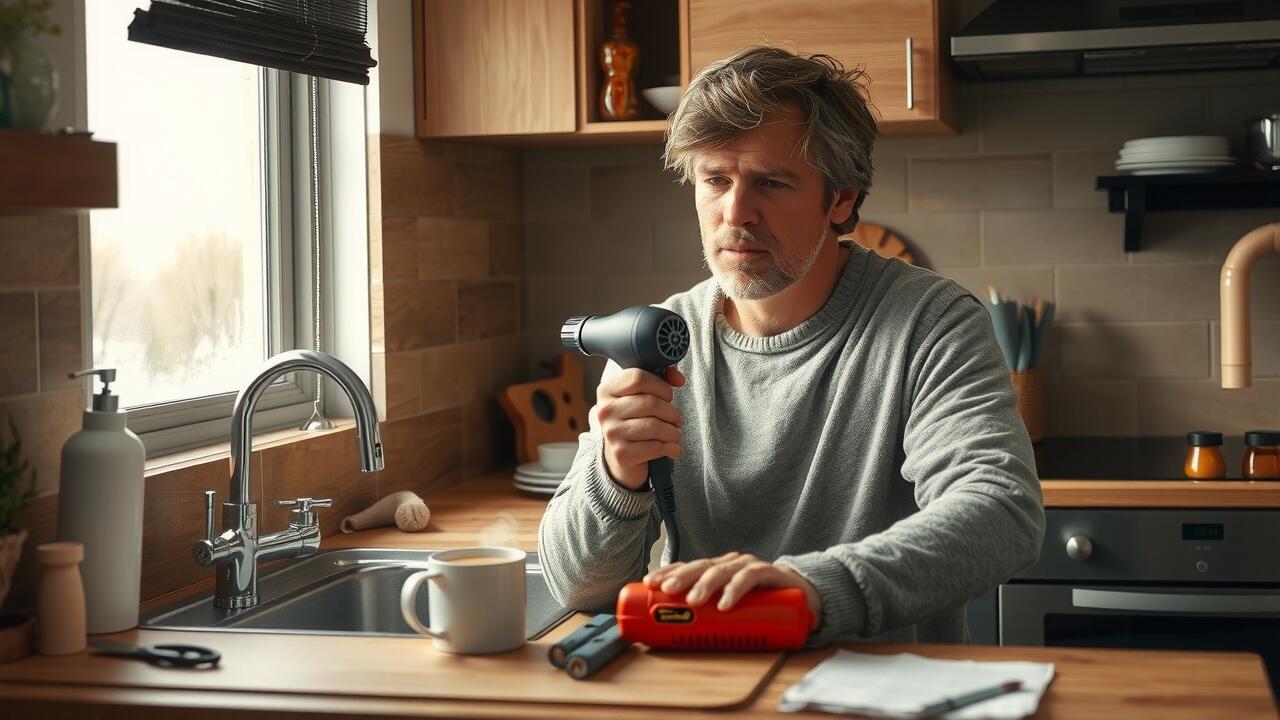
Using Heat Tape or Cables
Heat tape or cables provide an effective method for thawing frozen pipes safely. These devices generate heat directly on the surface of water supply pipes, promoting a gradual thawing process. To enhance efficiency, keep your faucets open and your water turned off while pipes thaw. This allows pressure relief and helps prevent further complications. For optimal results, ensure the area is well-insulated after thawing to prevent future freeze issues, as detailed on angi.com/articles/signs-frozen-pipes.htm.
Using heat tape or cables not only assists in thawing frozen pipes safely but also offers a preventive measure against freezing. Proper installation, following the manufacturer’s instructions, is crucial to avoid overheating and potential damage to the pipes. Regular insulation of pipes in colder areas will further help prevent pipes from freezing again during harsh winter months. Monitoring weather conditions can also inform timely preparations to safeguard plumbing systems in extreme temperatures.
Applying a Hairdryer
Using a hairdryer can be an effective method for thawing frozen pipes safely. Focus the warm air from the hairdryer directly on the frozen section of the pipe. This approach helps to gradually melt the ice blockage without applying excessive heat, which could risk damaging the pipe material. It is essential to keep the hairdryer moving along the pipe to maintain a consistent temperature and avoid overheating any specific area. If the pipe is part of pressurized lines, take precautions, as sudden thawing could cause burst pipes.
It is advisable to start at the section of the pipe closest to the faucet and work your way toward the frozen area. This sequence ensures that any thawed water can escape through the faucet, preventing a buildup of pressure within the system. While thawing frozen pipes safely, monitor the pipe for signs of damage, as existing weaknesses can exacerbate issues. If the ice does not begin to melt after several minutes, consider trying another method to avoid potential complications.
Warm Water Approach
Using warm water can be an effective method for thawing frozen pipes safely. By carefully pouring warm, not boiling, water over the affected section, homeowners can gradually raise the temperature of the pipes without risking damage. It’s important to ensure that the water runs down the plumbing lines to reach the cold water trapped behind any ice blockage. This method can be especially useful if the frozen section is easily accessible.
Caution must be exercised to avoid introducing too much heat too quickly, as this could lead to pipe damage or bursting. Heat tape can be applied to assist in this process if necessary, ensuring that the entire plumbing system remains intact. Keeping an eye on the ice time and monitoring the area for signs of leaks or cracks will help prevent further issues after the pipes have thawed.
After Thawing: Ensuring Pipe Integrity
Ensuring the integrity of your plumbing line after thawing frozen pipes safely is crucial to prevent future issues. Inspect the pipes thoroughly for any signs of cracks or leaks that may have occurred during the freezing process. Make use of an electronic heating pad to help warm vulnerable areas and maintain stable temperatures. Outdoor hoses should be drained and disconnected before the onset of cold weather to reduce the risk of freezing. Taking these preventive measures during winter can help safeguard against the recurrence of frozen pipes, promoting a resilient plumbing system.
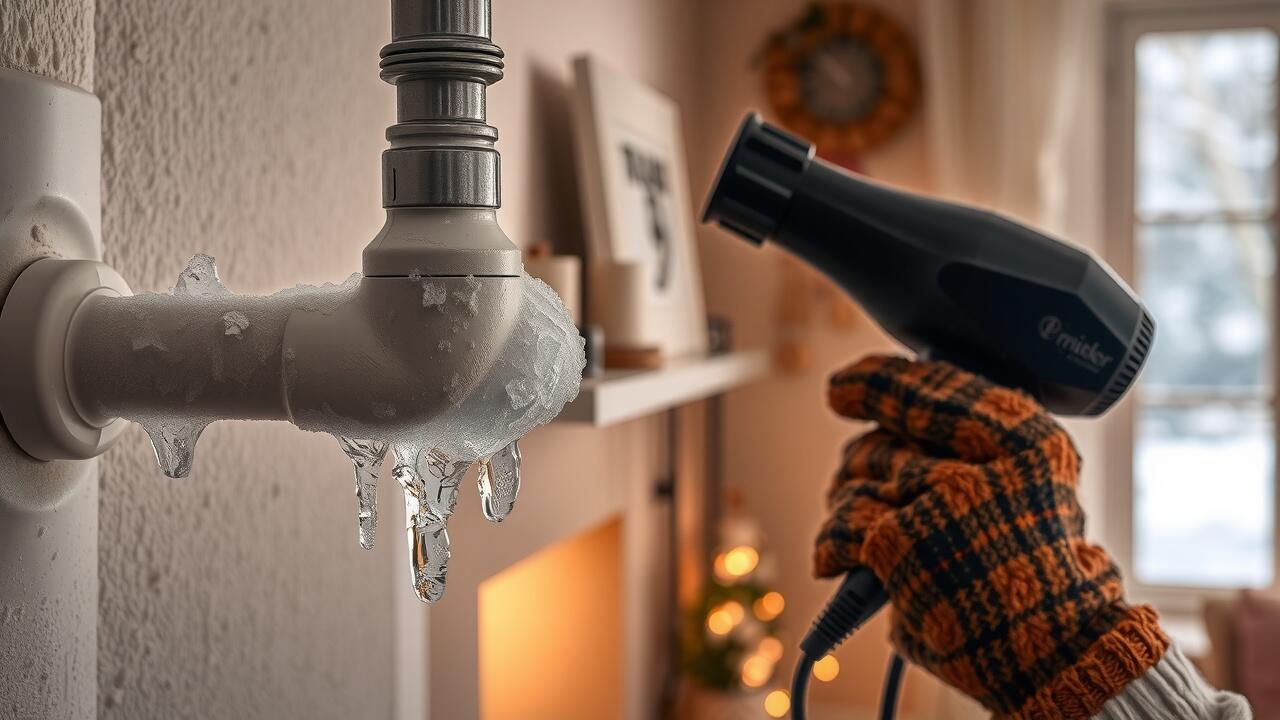
Inspecting for Damage
After safely thawing frozen pipes, it is crucial to inspect them for any damage. Look for cracks, leaks, or bulges which can indicate that the pipes have suffered from the cold temperatures. A thorough examination ensures that any potential issues are addressed promptly, preventing further complications. If you notice any signs of damage, consider using a charcoal stove to warm the area slightly while you evaluate the situation more closely.
Check the surrounding areas as well to assess for water damage. Even a small drip can lead to significant problems over time. Ensure that all joints and fittings are secure and that no cold spots remain in the system. Thawing frozen pipes safely is only part of the solution; ongoing inspections are vital to maintaining the integrity of the plumbing system.
Preventive Measures Against Future Freezes
Proper insulation is essential for preventing future pipe freezes. Insulating vulnerable pipes, especially those in unheated areas like attics and crawl spaces, can significantly reduce the risk of freezing. Resources like homedepot.com/c/ah/how-to-prevent-pipes-from-freezing provide helpful guidelines for insulation techniques. Maintaining a consistent temperature in these spaces can also help, as pipes are more likely to freeze at temperatures below 32°F, as noted on angi.com/articles/what-temperature-pipes-freeze.htm.
Regular maintenance checks on your plumbing system can aid in preventing issues related to frozen pipes. By sealing gaps around windows and doors, cold drafts can be minimized, thus protecting your pipes. Understanding the thawing process is crucial, as improperly thawing frozen pipes can lead to significant damage. For expert advice on safely thawing frozen pipes, including using heat tape or other methods, bobvila.com/articles/how-to-thaw-frozen-pipes is an excellent resource. Taking proactive measures will lead to a more stable plumbing system during colder months.
Conclusion
Successfully thawing frozen pipes safely is crucial for preventing damage to your home’s plumbing system. Utilizing effective heating methods, such as heat tape or a hairdryer, can facilitate the thawing process without causing undue risk to your piping. It’s essential to inspect hoses and ensure they maintain integrity post-thaw. Consulting a plumber may be advisable if uncertainty arises about potential damage. Taking the necessary precautions and preparing properly can greatly enhance your ability to manage the risks associated with frozen pipes.
FAQS
What should I do to prevent a frozen water pipe from bursting during winter?
To prevent a frozen water pipe from bursting, you should insulate pipes in unheated areas, such as attics and basements, and keep a trickle of water running through pressurized lines to prevent them from freezing.
How can I determine if my pressurized lines freeze during a cold snap?
To determine if your pressurized lines freeze during a cold snap, you should regularly check for decreased water flow or unusual noises from the pipes. Observe if any areas of your plumbing feel noticeably colder than others, as this can indicate that the lines are at risk of freezing. Additionally, insulating exposed pipes can help prevent freezing and potential bursts in cold weather.
What are the best methods for thawing frozen pipes safely to avoid damage?
To thaw frozen pipes safely, it’s essential to apply heat gradually. You can use a hairdryer or a heat lamp directed at the pipe to warm it up slowly. Alternatively, wrapping the pipe with towels soaked in warm water can also help. Never use an open flame, as it poses a fire hazard and could damage the pipe. Monitoring the thawing process ensures that you can respond quickly if there are any signs of leaks or other issues. Always remember to keep the faucet open while thawing, allowing water to flow when the ice melts.
What precautions should I take while thawing frozen pipes to avoid potential hazards?
When thawing frozen pipes, it’s essential to take precautions such as ensuring heat is applied evenly and gradually to avoid joint damage. Additionally, check for any leaks before proceeding and keep your home’s interior temperature regulated to facilitate the thawing process. This can help you safely restore water flow without further issues.
How can I safely thaw frozen pipes without damaging them or creating hazards?
To safely thaw frozen pipes, start by turning on the faucets connected to the pipes to relieve pressure. Use a hairdryer, heat tape, or a space heater to gently warm the section of the pipe. Avoid using open flames or boiling water, as these methods can cause damage or create hazards. Always ensure the area is well-ventilated and monitor for any signs of leaks as the ice melts.