
Waste Water System Upgrades: The Homeowner’s Complete Guide to Better Performance, Lower Costs, and Code Compliance
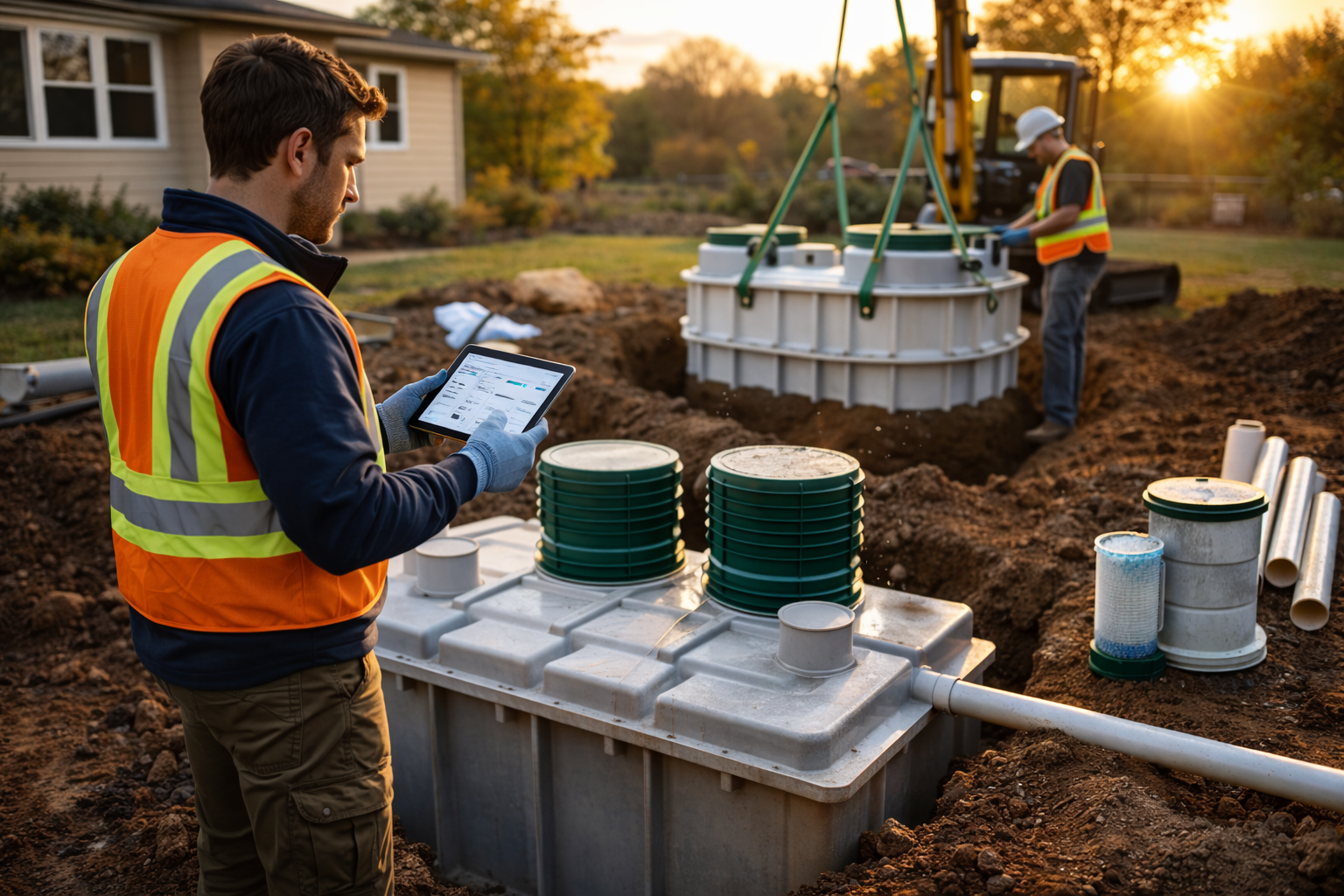
Most homeowners don’t think about what happens after water disappears down the drain — until something goes wrong. Aging sewer lines, undersized septic tanks, and outdated treatment components quietly degrade year after year, inching closer to the kind of failure that costs tens of thousands of dollars and disrupts daily life for weeks. Waste water system upgrades replace worn, inefficient, or non-compliant components with modern alternatives that handle higher capacities, meet current environmental codes, and protect your property value for decades. Whether you’re dealing with recurring backups, planning a home addition, or responding to a failed inspection, this guide covers every upgrade option, what each one costs, and how to decide which improvements deliver the greatest return.
Why Upgrade Your Waste Water System?
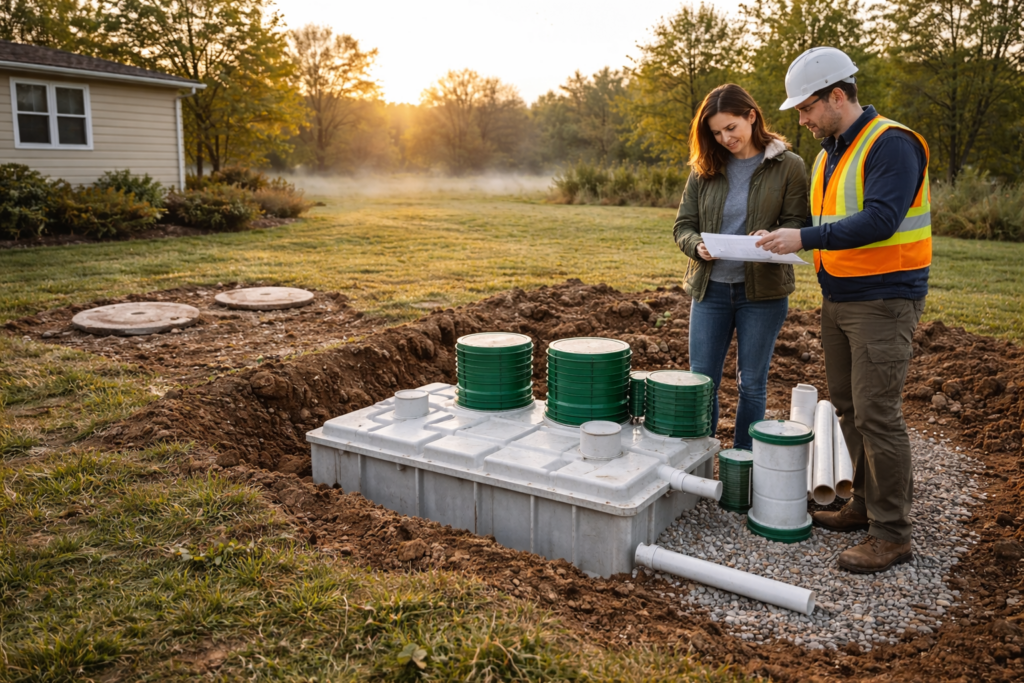
A wastewater system that was properly sized and installed 20 or 30 years ago may no longer meet the demands placed on it today. Several forces drive the need for upgrades, and understanding them helps you prioritize the right projects.
Aging infrastructure. Cast iron sewer pipes — standard in homes built before the mid-1970s — have an expected service life of 50 to 75 years. Orangeburg pipe, a tar-impregnated fiber conduit used from the 1940s through the 1970s, often fails within 30 to 50 years. If your home falls within these timelines, deterioration is not a question of “if” but “when.”
Increased household demand. Adding a bathroom, finishing a basement with plumbing, or converting a property to a multi-unit rental increases wastewater volume. Existing pipes, tanks, and drain fields may lack the capacity to handle the additional flow without chronic overloading.
Regulatory changes. Environmental standards have tightened significantly over the past two decades. Many jurisdictions now require advanced nitrogen-removal septic systems in watershed-sensitive areas, grease interceptors for properties with commercial kitchens, and backflow prevention devices on all sewer connections. Non-compliance can result in fines, failed property transfer inspections, and liability exposure.
Persistent performance problems. Frequent drain clogs, sewage odors, slow fixtures, soggy drain fields, and repeated pump-outs are symptoms of a system that has exceeded its functional life. Repeated repairs on a failing system almost always cost more over a five-year window than a single, well-planned upgrade.
Types of Waste Water System Upgrades
Upgrades range from targeted component replacements to full system overhauls. The right scope depends on your system type, its current condition, and your long-term goals for the property.
Sewer Line Replacement and Relining
For homes connected to a municipal sewer, the lateral line running from your foundation to the city main is the homeowner’s responsibility. When that line is cracked, root-infiltrated, or bellied, two primary upgrade paths exist.
Trenchless pipe lining (cured-in-place pipe, or CIPP) involves pulling a resin-saturated liner through the existing pipe, inflating it against the pipe walls, and curing it in place with heat or UV light. The result is essentially a new pipe inside the old one, with a projected lifespan of 50-plus years. Trenchless relining typically costs $80 to $250 per linear foot and avoids the need to excavate driveways, landscaping, or foundations.
Traditional open-trench replacement removes the old pipe entirely and installs new PVC or ABS pipe. This method is necessary when the existing pipe has collapsed completely or when the line’s grade must be corrected. Costs range from $50 to $200 per linear foot, but excavation, surface restoration, and permitting can push total project costs significantly higher.
Septic Tank Upgrades
Septic tanks degrade over time. Concrete tanks develop cracks and allow groundwater infiltration. Steel tanks corrode. Undersized tanks — common in older homes — overflow between pump-outs and push solids into the drain field, accelerating field failure.
Modern replacement tanks are available in precast concrete, fiberglass, and high-density polyethylene. Fiberglass and poly tanks resist corrosion entirely, weigh less for easier installation, and carry manufacturer warranties of 20 to 30 years. Upgrading from a 750-gallon tank (common in homes built in the 1960s and 1970s) to the current standard of 1,000 to 1,500 gallons dramatically improves retention time and treatment quality.
Tank replacement costs typically fall between $3,000 and $10,000 including excavation, old tank removal, and connection to existing lines.
Advanced Treatment Units
Standard gravity-fed septic systems provide primary treatment — settling solids and allowing partial decomposition. Advanced treatment units add a secondary or tertiary treatment stage that produces significantly cleaner effluent.
Aerobic treatment units (ATUs) introduce oxygen into the wastewater stream, accelerating biological decomposition and producing effluent clean enough for surface discharge or drip irrigation in many jurisdictions. ATUs are often required for properties with poor soil percolation, high water tables, or proximity to sensitive waterways.
Media filters and constructed wetlands pass effluent through sand, gravel, peat, or engineered textile media to remove additional nitrogen, phosphorus, and pathogens. These systems are increasingly mandated in Chesapeake Bay watershed states, Cape Cod communities, and other nitrogen-sensitive regions.
Installation costs for advanced treatment systems range from $10,000 to $35,000 depending on the technology, site conditions, and local permitting requirements. However, many states and counties offer rebates, low-interest loans, or tax credits to offset the cost of nitrogen-reducing upgrades.
Drain Field Rehabilitation and Replacement
The drain field — also called the leach field or soil absorption system — is the most expensive component of a septic system to replace and the most common point of failure. Signs of drain field failure include surfacing effluent, saturated soil, sewage odors in the yard, and plumbing fixtures that drain progressively slower over time.
Rehabilitation options include biomat removal through hydrogen peroxide or aerobic remediation, terralift fracturing to restore soil porosity, and resting one field while diverting flow to an alternate field (if one exists). These methods can extend a struggling field’s life by 5 to 15 years at a cost of $1,500 to $5,000.
Full drain field replacement involves installing new distribution piping in fresh, uncontaminated soil. Depending on soil conditions and system size, replacement costs range from $5,000 to $20,000. Engineered alternatives such as mound systems, drip dispersal, and chamber systems accommodate sites where conventional trenches are not feasible.
Ejector and Grinder Pump Upgrades
Homes with basement plumbing below the sewer line elevation rely on ejector pumps or grinder pumps to lift wastewater to the main drain. Aging pumps lose efficiency, develop seal leaks, and eventually fail — often at the worst possible time.
Modern ejector pumps offer higher horsepower, corrosion-resistant housings, and built-in alarm systems that alert you to rising water levels before a backup occurs. Replacement typically costs $600 to $2,500 including labor, and should be considered every 7 to 10 years or at the first sign of motor strain.
Backflow Prevention and Check Valve Installation
A backflow preventer or check valve stops sewage from the municipal main from reversing into your home during heavy rain events or system surcharges. Many municipalities now require these devices, and insurance carriers are increasingly mandating them as a condition of sewer backup coverage. Installation costs range from $300 to $1,500 depending on valve type and accessibility.
How to Decide Which Upgrades You Need
A strategic upgrade plan starts with a professional assessment — not guesswork. Follow this decision framework to avoid over-spending on unnecessary work or under-investing in critical components.
Start with a comprehensive inspection. A licensed wastewater professional can camera-inspect sewer lines, evaluate septic tank condition, test drain field absorption rates, and assess pump performance. The inspection report becomes your upgrade roadmap.
Prioritize by failure risk. Address components that are actively failing or pose imminent health and safety risks first. A cracked sewer line admitting root intrusion ranks above an aging but functional ejector pump.
Factor in planned property changes. If you’re adding square footage, bedrooms, or bathrooms within the next five years, size your upgrades for the future capacity, not today’s load. Upgrading twice is always more expensive than upgrading once to the right specification.
Check local incentive programs. Federal, state, and county programs frequently subsidize wastewater upgrades that improve water quality. The USDA Rural Development program, state revolving loan funds, and county health department grants can reduce out-of-pocket costs by 20 to 50 percent in qualifying areas.
Get multiple bids. Obtain at least three written proposals from licensed wastewater contractors. Compare scope, materials, warranty terms, and permitting responsibilities — not just bottom-line price.
How Much Do Waste Water System Upgrades Cost?
Total investment depends on the scope of work, but the following ranges reflect typical national pricing.
Trenchless sewer relining for a 50-foot lateral generally falls between $4,000 and $12,500. Septic tank replacement runs $3,000 to $10,000. Advanced treatment unit installation costs $10,000 to $35,000. Drain field replacement averages $5,000 to $20,000. Ejector pump replacement typically costs $600 to $2,500. Backflow preventer installation ranges from $300 to $1,500.
A full system overhaul — new tank, advanced treatment, and new drain field — can reach $30,000 to $60,000 on complex sites. However, financing options are widely available, and the cost of inaction almost always exceeds the cost of a planned upgrade. Emergency replacements performed under crisis conditions routinely carry a 25 to 40 percent premium over scheduled projects due to expedited permitting, overtime labor, and limited contractor availability.
Frequently Asked Questions
How long does a waste water system upgrade take?
Timelines vary by project scope. A trenchless sewer relining typically completes in one to two days. Septic tank replacement takes two to four days. A full septic system overhaul including advanced treatment and a new drain field may require two to four weeks, depending on permitting, weather, and soil conditions. Most contractors can provide a detailed timeline during the bid phase.
Do I need a permit for wastewater upgrades?
In nearly all jurisdictions, yes. Sewer line replacements, septic tank installations, drain field work, and advanced treatment unit installations require permits from your local building department or health authority. Your contractor should handle the permit application process, but confirming this in writing before work begins protects you from compliance issues.
Can I upgrade my septic system to a sewer connection?
In some cases, yes — if a municipal sewer main runs within a reasonable distance of your property and your local utility accepts new connections. Connection fees, tap charges, and lateral installation costs typically range from $5,000 to $20,000. This conversion eliminates ongoing septic maintenance costs and can increase property value in areas where buyers prefer sewer service.
Will upgrading my wastewater system increase my home’s value?
A modern, code-compliant wastewater system removes a major objection for buyers and appraisers. Homes with recently replaced sewer lines, new septic systems, or advanced treatment units consistently appraise and sell more favorably than comparable properties with aging or non-compliant systems. In markets where buyers order pre-purchase sewer scopes and septic inspections, a documented recent upgrade can accelerate the sale and eliminate renegotiation risk.
What is the lifespan of a new wastewater system?
Modern materials and installation standards have significantly extended system longevity. PVC and HDPE sewer lines are rated for 100-plus years. Precast concrete septic tanks last 40 to 50 years with proper maintenance. Fiberglass and polyethylene tanks carry warranties of 20 to 30 years but often last longer. Advanced treatment units require more frequent maintenance — typically annual service contracts — but the mechanical components can last 15 to 25 years with proper care.
Are there financing options for waste water system upgrades?
Yes. Many homeowners finance wastewater upgrades through home equity lines of credit, FHA Title I home improvement loans, or contractor-offered payment plans. Additionally, USDA Rural Development loans, state clean water revolving funds, and county health department grant programs offer below-market-rate financing or direct subsidies for qualifying projects, particularly those that improve nitrogen removal or replace failing systems near sensitive water bodies.
Take the First Step Toward a Modern, Reliable System
Every year you delay a needed upgrade, your existing system moves closer to the kind of failure that demands emergency spending, disrupts your household, and damages your property. The homeowners who come out ahead are the ones who upgrade on their own timeline — not the system’s.
Contact a licensed wastewater contractor in your area to schedule a full system evaluation. Ask for a written condition report, a prioritized upgrade plan, and a detailed estimate that includes materials, labor, permitting, and warranty terms. Inquire about available rebates and financing programs that can reduce your upfront investment.
Your wastewater system is the invisible backbone of your home. Upgrading it now means fewer emergencies, lower long-term costs, full regulatory compliance, and the confidence that comes from knowing the infrastructure beneath your property is built to last. Make the call today.